
Myopia Control for Kids: Why Early Treatment Matters for Long-Term Eye Health
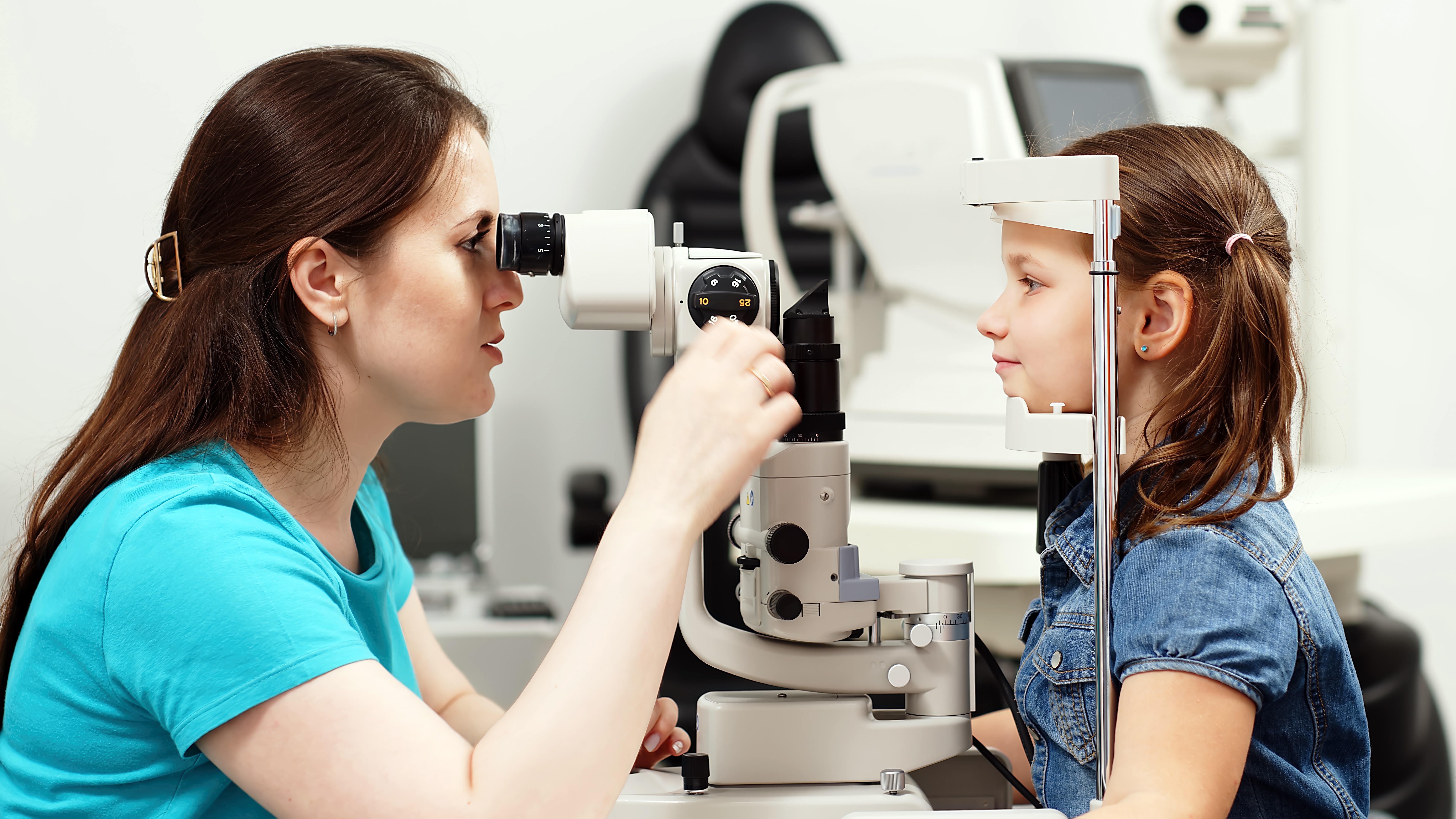
Myopia (nearsightedness) is increasingly common among school-aged children. When a child can see a book clearly but struggles to read the classroom board or spot objects across the field, nearsightedness may be developing. At Elevated Eyecare in Denver, CO, we help families identify these changes early and explore myopia control for kids before their prescriptions continue to increase.
Why Childhood Myopia Often Progresses
Myopia typically develops when the eye grows too long from front to back, causing distant objects to appear blurry. Because children's eyes are still developing, their prescriptions can change as they grow, especially during the school years. A stronger glasses prescription may restore clear vision, but ordinary single-vision glasses do not address the underlying progression of myopia.
Early evaluation gives us a chance to monitor vision changes and determine whether treatment to slow progression is appropriate.
Why Early Myopia Control Matters
The concern is not simply that a child might need thicker glasses. Higher levels of myopia are associated with greater lifetime risks of conditions such as retinal detachment, glaucoma, and myopic macular degeneration. These complications do not happen to every nearsighted patient, but limiting myopia progression may reduce some long-term risks.
Starting care while myopia is progressing can make a meaningful difference. There is no way to guarantee that treatment will stop nearsightedness entirely, but the goal is to reduce how quickly it worsens and support healthier vision over time.
Signs Your Child May Need a Myopia Evaluation
Children may not realize their distance vision is changing. Parents should watch for:
· Squinting when looking across a room or outdoors
· Moving closer to the television or holding devices near the face
· Having difficulty reading the classroom board
· Complaining about blurry distance vision or frequent headaches
· Needing new glasses prescriptions more often than expected
A school vision screening can identify some problems, but it does not replace a comprehensive pediatric eye exam. We assess vision, eye health, and prescription changes to help decide whether myopia management would benefit your child.
Myopia Control Options for Children
At Elevated Eyecare, we tailor myopia management to each child's needs, age, prescription, and readiness for treatment. Options we may discuss include orthokeratology (Ortho-K), which uses specially fitted overnight lenses to temporarily reshape the cornea; soft myopia control contact lenses worn during the day; and low-dose atropine eye drops used under professional guidance.
These treatments work differently, and they are not right for every child. Ortho-K requires careful lens hygiene because overnight lens wear carries an infection risk. Atropine may cause side effects and does not replace prescription glasses or contacts when they are needed. We review the benefits, limitations, and practical responsibilities with parents before recommending a plan.
Consistent Monitoring Supports Better Decisions
Myopia management is an ongoing process rather than a one-time visit. Follow-up appointments allow us to check prescription changes, evaluate treatment response, and adjust the approach when needed. We may also discuss healthy daily habits, including outdoor time and regular breaks from prolonged close-up work, to support children's visual comfort and development.
If your child is showing signs of nearsightedness or their prescription keeps changing, schedule a pediatric eye exam with Elevated Eyecare in Denver, CO, by calling (303) 284-9889.

Phone: (303) 284-9889
Fax: (303) 284-9914
- Monday 8:00am - 5:00pm
- Tuesday 10:00am - 6:00pm
- Wednesday 8:00am - 5:00pm
- Thursday 10:00am - 6:00pm
- Friday 8:00am - 2:00pm
- Saturday Closed
- Sunday Closed
© 2026 Elevated Eyecare. All rights Reserved. Accessibility Statement - Privacy Policy - Terms and Conditions - Sitemap
Powered by:
