
When Artificial Tears Aren’t Enough for Dry Eye

Dry eye is often more complicated than simply needing more moisture. Artificial tears can help reduce burning, grittiness, and fluctuating vision for a while, but they do not always address why those symptoms keep coming back. If your eyes still feel irritated even though you use drops regularly, it may be a sign that the real problem is deeper.
Dry Eye Is Not Always Just About Tear Quantity
Many people assume dry eye means they do not produce enough tears. In some cases, that is true. But often, the issue is poor tear quality. Your tears need the right balance of oil, water, and mucus to protect the eye’s surface. When that balance is off, tears evaporate too quickly and leave the eyes feeling dry again soon after using drops.
The Role of Oil Gland Dysfunction
A common cause of ongoing dry eye is meibomian gland dysfunction. These glands line the eyelids and produce the oil layer that keeps tears from evaporating too fast. When they become blocked or inflamed, artificial tears may only offer temporary relief. This is one reason patients can use drops several times a day and still struggle with discomfort, redness, or blurry vision.
Signs It May Be Time for Something More Than Drops
If over-the-counter drops are not giving you lasting relief, watch for signs that point to a more advanced dry eye problem:
- Symptoms return quickly after using tears
- Burning, stinging, or grittiness happens every day
- Vision fluctuates during screen time or reading
- Eyelids feel irritated, crusty, or inflamed
- Contact lenses become less comfortable than they used to be
Why A Dry Eye Evaluation Matters
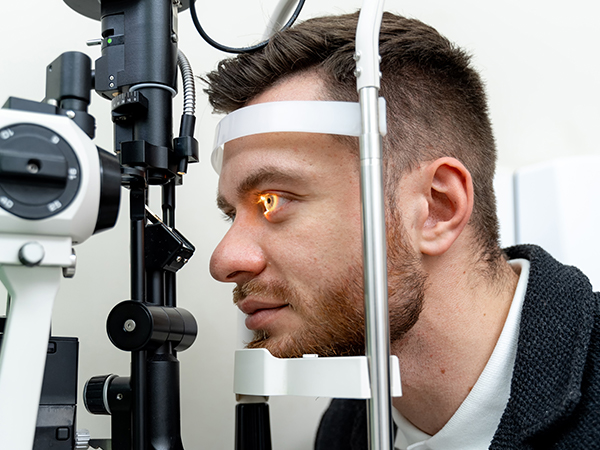
Dry eye treatment works best when it is based on the cause of your symptoms. A proper evaluation can help determine whether inflammation, blocked oil glands, eyelid issues, or another factor is driving the problem. That matters because not every patient needs the same solution. Some improve with changes to eyelid hygiene, prescription treatment, or in-office therapies instead of relying on artificial tears alone.
Advanced Treatment Can Target The Source
When dry eye is linked to chronic inflammation and clogged oil glands, treatment may need to go beyond surface relief. In-office options can help restore healthier gland function and improve tear stability. This approach is important because it focuses on the source of the problem, not just the symptoms. For patients with persistent dry eye, that can mean more consistent comfort and less dependence on drops throughout the day.
Better Relief Starts with the Right Plan
If artificial tears are no longer enough, it does not mean you have to live with irritation. Persistent dry eye usually benefits from a more personalized treatment plan. The goal is not just to soothe your eyes for a few minutes, but to improve long-term comfort, support clearer vision, and help your eyes function better day to day.
To schedule a dry eye evaluation and learn whether advanced treatment is right for you, Elevated Eyecare. Visit our office in Denver, Colorado, or call (303) 284-9889 to book an appointment today.


Phone: (303) 284-9889
Fax: (303) 284-9914
- Monday 8:00am - 5:00pm
- Tuesday 10:00am - 6:00pm
- Wednesday 8:00am - 5:00pm
- Thursday 10:00am - 6:00pm
- Friday 8:00am - 2:00pm
- Saturday Closed
- Sunday Closed
© 2026 Elevated Eyecare. All rights Reserved. Accessibility Statement - Privacy Policy - Terms and Conditions - Sitemap
Powered by:
